
Conference Postcard - AACN 2026

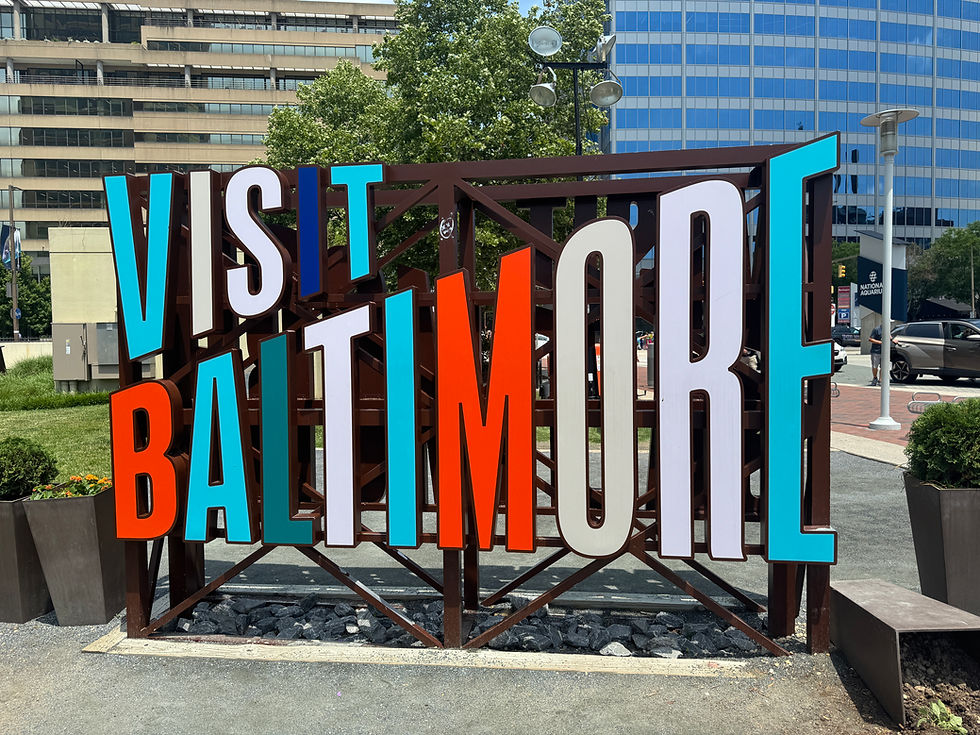
“Good morning Baltimore …” As some of you might know I am a huge musical theatre fan, so took great delight in wandering around Baltimore singing this song, as I attended the American Academy of Clinical Neuropsychology (AACN) 2026 conference.
For several years I have made a regular trip to the USA for the AACN conference, which is usually held in June. I tell people I am seeing the USA one state at a time, via these conferences! Sadly there was not much sightseeing to be had, so I got to fully focus on the conference.
I prefer the AACN conferences because they have a very in-depth coverage model, and a strong focus on forensic neuropsychology. Whilst they have a small number of shorter presentations (such as the opening keynote this year which was: Journey to Ethical Competence in Clinical Neuropsychology - Shane Bush,) the majority of the presentations are three hours on a specialised topic.
The first day began with a workshop on presenting neuropsychological testimony in civil matters by the inimitable Kyle Boon – as usual she commanded the room and shared lots of helpful hints. This was followed by a shorter presentation on the history of forensic neuropsychology – focusing more on criminal matters.
I was excited to attend a workshop billed specifically as the use of AI in forensic cases. There is a strong move towards use of AI report writing tools in some of the American clinicians I spoke to. One of the tools that was demonstrated organised the enormous file that we must read in personal injury matters. The tool organised and summarised the documents… sounds like a dream assistant… but then the presenter went on to describe how much time she had to spend checking the output – we were all left unsure if there was any real advantage. Plus the privacy laws are different - so don’t jump onto it yet!
I also attended the almost obligatory overview of the research literature on mild TBI, which is always useful.
There were some more clinically-orientated presentations – an MMPI-3 presentation with Ben-Porath, and a workshop with researched tools for intervention in Functional Neurological Disorder. Although I didn’t attend them, there looked to be a strong paediatric program as well (with what seemed to be quite a clinical focus), and Dellis talked about the challenges involved in development of D-KEFS Advanced.
There were several book and test displays, as well as multiple vendors of AI report writing assistants. One test vendor was noticeably absent. Anyway is always a good opportunity to see the new tests and books before they get to us in Australia.
As usual it was inspiring and in many cases the presentations provided an overview of the relevant literature for me in topics I need to have at my fingertips. If you don’t feel like making the long trip over, they do allow digital access for about three months after the conference. Usually they use pre-recorded lectures, but this year they are recordings of the live presentations.
I think its worth it, although I’m hoping for a location with more sightseeing next year! Let me know if you are planning to go, Debbie Anderson


Comments